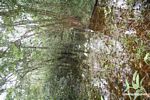
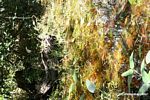
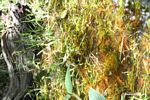
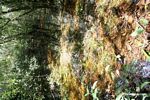
Amazon stream biotope aquarium, a freshwater habitat in Peru
|
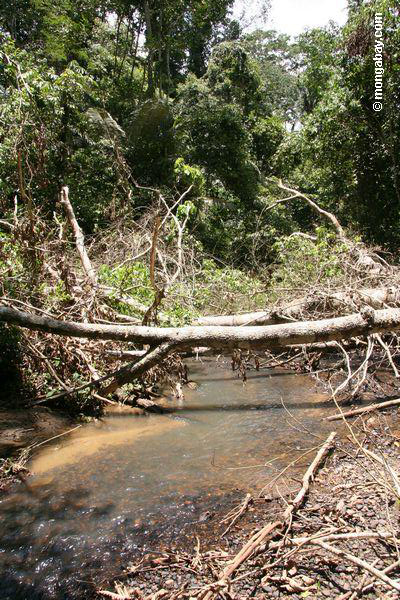
Rainforest stream
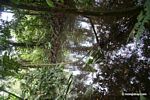
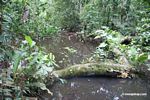
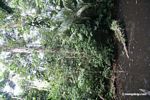
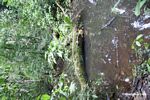
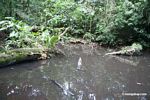
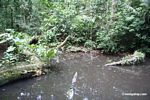
Fallen trees have opened a light gap around a rainforest stream. Careful examination will reveal a substrate of rocks. Lots of wood and tree branches are present in the stream, providing shelter for fish.
|
BIOTOPE AQUARIA
A biotope aquarium is set-up to simulate a natural habitat. The fish, plants, water chemistry, light conditions, and tank furnishings are similar to those that can be found in a specific natural setting.
RAINFOREST STREAM IN SOUTHWESTERN PERU
The southeastern part of Peru is arguably the most biodiverse place on the planet. This biological wealth extends to the river systems found in this tropical rainforest environment.
This biotope profile will look specifically at a rainforest stream flowing into the Madre de Dios River.
Rainforest streams
Small rainforest streams are common in this part of Peru. They generally arise from springs and range in width from a few inches to 10-14 feet according to Amazon Headwaters. Rainforest streams in the region rarely exceed 3 miles (5 km) in length.
Rainforest Stream Characteristics
Depth: Depth ranges from a few centimeters to rarely more than 5 feet (1.5 m).
Temperature: Temperature is relatively constant due to shading by the forest canopy. Streams are roughly 1-2 degrees cooler than river channels.
Water chemistry: According to Amazon Headwaters, there is high variation of water chemistry between streams. In their survey, the authors found the pH to range from 3.8-4.9 while conductivity was 10-15. pH and conductivity rise during the low water period, possibly due to "increased phytoplankton production." Water transparency also increases at this time.
Oxygen levels: Oxygen concentrations are generally high but fall slightly when large quantities of organic matter are present.
Substrate: The substrate consists of mud or sand with overlaying organic matter and vegetation in varying states of decomposition. There is a large amount of submerged wood and in some areas, especially fast-flowing sections, there may be a cover of pebbles and stones.
Aquatic Plants
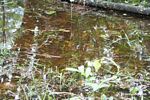
I observed very few aquatic plants in the rainforest stream -- especially in shaded areas where very little light penetrate the dense canopy. In a unshaded pool section an Amazon sword plant (Echinodorus sp.) was present along with a grassy Vallisneria-like plant. There were plants growing with roots submerged but leaves emersed in some sections of the stream. It is a different case in the nearby forest "swamp ponds."
Surrounding vegetation: The stream is surrounded by rainforest.
Tank setup
Tank size will depend on the type of fish you plan to keep in your biotope aquarium. If you are going with smaller tetras, catfish, and Apistogramma then you can use a smaller tank than if you plan to go with larger cichlids.
Current: Current ranges from very slight to moderate (in shallow areas with a pebble substrate). If you are going for a "stream pool" effect then direct filter outflows to moderate water current.
Lighting: Rainforest streams are generally shaded by an overhead canopy minimizing plant growth and resulting in dark conditions. However, in "light gaps" where trees have recently fallen, sunlight is quite bright. If you want to model your biotope after an exposed area then you could use bright overhead lighting.
Layout: Few plants, lots of wood, and open swimming areas are recommended.
Substrate: Fine gravel or sand overlaid with pebbles and rocks.
Other notes: You might consider using some peat moss in your filtration system to reduce the pH and soften the water. Peat moss can also mimic the slightly tea-colored water conditions that result from decaying vegetation.
Fish suitable for aquariums
The rio Madre de Dios probably has more than 600 species, many of which have yet to be described according to Amazon Headwaters. Detritus-feeders, invertebrate-feeders, and seed- and fruit-eating species are abundant in the system.
The aquarium fisheries trade began in the department of Madre de Dios in 2002 according to Amazon Headwaters. The book says the rio Madre de Dios headwaters regions has advantages when compared with aquarium trade fisheries in other parts of the Amazon, namely that the seasonal high water period is "neither too deep nor too long to prevent aquarium trade fisherman from working during the rainy season. Elsewhere in the Amazon Basin aquarium trade fisheries largely stop during the flooding season." Further, the rio Madre de Dios watershed had a large number of endemic species, some of which are small and decorative enough to be attractive as aquarium fish. The book lists the following genera as promising for the aquarium trade: Abramites, Corydoras, Pterolebias, Apistogramma, Crenicichla, Mesonatua, Carnegiella, Gymnocorymbus, Hemigrammus, Tyttocharax, Tyttobrycon, Pyrrhulina, Ancistrus, Hypostomus, Pimelodella, and Pimelodus.
The following fish were observed in the rainforest stream:
Mesonauta festivum and Moenkhausia sp. were the most conspicuous fish. Also present were river shrimp, leeches, and Ramshorn-like snails.
FRESHWATER FISHES OF THE TAMBOPATA NATIONAL RESERVE
Compiled by Mario Napravnik
| CHARACIDAE (72) | | |
| Acestrocephalus boehlkei | | |
| Acestrorrhynchus lacustris | | Cachoro, Pike characin |
| Aphyocharax pusillus | | Bloodfin |
| Aphyocharax alburnus | | Bloodfin |
| Aphyocheirodon sp | | |
| Astyanaclnus multidens | | |
| Aslyanax abramis | | |
| Astyanax anteroides | | |
| Aslyanax bimaculatus | | |
| Astyanax fasciatus | | Two spotted Astianax Silvery tetra |
| Astyanax maxiumus | | |
| Bario steindachneri | | Blotch tailed bario |
| Brachichalcinus copei | | |
| Brycon erythropterum | | Sabalo cola roja |
| Bryconacydnus ellisi | | |
| Bryconamencus pachacuti | | |
| Bryconops melanurus | | Tail light tetra |
| Characidium fasciatus | | |
| Charax gibbosus | | Glass Headstander |
| Charax tectifer | | Glass Headstander |
| Cheirodon fugitiva | | |
| Cheirodon piaba | | |
| Cheirodon ait. notomelas | | |
| Creagrutus affinis | | |
| Creagrutus anary | | |
| Creagrutus beni | | |
| Ctenobrycon hauxwellianus | | |
| Galeocharax gulo | | |
| Gephyrocharax sp | | |
| Gymnocorymbus temetzi | | Black widow, Skirt Tetra |
| Gymnocorymbus thayeri | | |
| Hemibrycon jelskii | | |
| Hemibrycon jabonero | | |
| Hemigrammus lunatus | | |
| Hemigrammus ocellifer | | Head and tail light tetra |
| Hemmigrammus sp | | |
| Holoshestes heterodon | | |
| Hydroyicus sconberoides | | |
| Hyphessobrycon agulha | | Red tailed flag tetra |
| Hysteronotus sp | | |
| Knodus aff. beta | | |
| Knodus gamma | | |
| Knodus megalops | | |
| Knodus aff. moenkhausii | | |
| Knodus smitthii | | |
| Knodus sp | | |
| Leptagoniates aff. pi | | |
| Moenkhausia barbouri | | |
| Moenkhausia comma | | |
| Moenkhausia dichroura | | Spot tailed Moenkhausia |
| Moenkhausia jamesii | | |
| Moenkhausia oligolepis | | Glass tetra |
| Moralesia tectifera | | |
| Myleus rubripinnis | | |
| Othonocheirodus lethostigmus | | |
| Paragoniates alburnus | | |
| Phenacogaster pectinatus | | |
| Piabina beni | | |
| Piaractus brachyponus | | Pacu |
| Pigocentrus nattereri | | Red piranha |
| Poptella compresa | | |
| Prionobrama filigera | | Glass bloodfin |
| Raphiodon vulpinus | | Chambira |
| Rhynobrycon negrensis | | |
| Roeboides affinis | | Glass characin |
| Roeboides myersii | | Glass characin |
| Salminus aflinis | | |
| Serrasalmus humeralis | | Piranha |
| Serrasalmus rhombeus | | Black piranha, Spotted piranha |
| Serrasalmus spilopleura | | Fire mouth piranha |
| Tetragonopterus argenteus | | |
| Triportheus albus | | Sardina, sapanama |
| Triportheus angulatus | | Sardina, Narrow Hatchetfish, sapanama |
| Tyttocharax sp | | Bristly mouthed tetra |
|
|
| GASTEROPELECIDAE (3) | | Hatchet fish |
| Carnegiella schereri | | Hatchet lish |
| Carnegiella myersii | | Myersi hatchetfish |
| Thoracocharax stellatus | | Silver hatchetfish |
| ERYTHRINIDAE (3) | | Trahlras, huasacos |
| Erythrynus eryihrinus | | Short finned trahira |
| Hoplerytrhinus unitaeniatus | | Trahiras, huasacos |
| Hoplias malabaricus | | Fasaco, Tiger fish, trahira |
| LEBIASINIDAE (1) | | Pyrrhulina |
| Pyrrhulina vittata | | Banded pyrrhulina |
| PROCHILODONTIDAE(2) | | |
| Prochilodus mariae | | |
| Prochilodus nigricans | | |
| CURIMATIDAE (5) | | |
| Curimata sp | | |
| Cyphocharax sp | | |
| Steindachnerina dobula | | |
| Steindachnerina guentheri | | |
| Steindachnerina hypostoma | | |
| ANOSTOMIDAE (3) | | Leporinus |
| Leporinus friderici | | Friderici leporinus |
| Leporinus striatus | | Striped leporinus |
| Leporinus yophoru | | |
| GYMNOTIDAE (2) | | Knife fish |
| Gymnotus carapo | | Banded Knife fish |
| Gymnotus coatesi | | Knife fish |
| STERNOPYGIDAE (2) | | Knife fish |
| Stemopygus macrurus | | Ghost Knife fish |
| Sternopygus virescens | | Knife fish |
| HYPOPOMIDAE (2) | | Knife fish |
| Hypopomus muelleri | | Knife fish |
| Hypopomus sp | | Spoted knife fish |
| ELECTROOPHORIDAE (1) | | Electric eel |
| Electrophous electricus | | Electric eel |
| RHAMPHICHTHYIDAE (1) | | |
| Gymnorhamphichthys sp | | |
| POTAMOTRIGONIDAE (1) | | |
| Potamotrygon motoro | | Freshwater Stingray |
| ENGRAULIDAE (3) | | |
| Anchoviella carrikeri | | |
| Anchoviella guianensis | | |
| Lycengraulis batessi | | |
| ASTROBLEPIDAE (1) | | |
| Astroblepus sp | | |
| RIVULIDAE (1) | | |
| Rivulus urophtalmos | | |
| SCIAENIDAE (1) | | |
| Pachyurus schomburgkii | | Amazon croaker |
| SYNBRANCHIDAE (1) | | |
| Synbranchus marmoratus | | Atinga, Marbled Eel |
| CICHLIDAE (9) | | |
| Aequidens tetramerus | | Saddle Cichlid |
| Apistogramma luelingi | | |
| Apistogramma urteagai | | |
| Bujurquina cordemadi | | |
| Bujurquina tambopatae | | Tambopata Flag Cichlid |
| Cichlasoma boliviense | | |
| Crenicichla semicincta | | Pike Cichlid |
| Mesonauta festivum | | Festive Cichlid |
| Satanoperca jurupari | | Jurupari, Eartheater, Demon eartheater |
|
|
| DORADIDAE (1) | | Talking catfishes |
| Trachydora nattereri | | Talking catfish |
| AUCHENIPTERIDAE(2) | | Driftwood catfishes |
| Auchenipterus nuchalis | | |
| Trachelyopterus sp | | |
| ASPREDINIDAE (1) | | Banjo catfish |
| Dysichtys sp | | Smooth banjo catfish |
| PIMELODIDAE (15) | | Antenna catfishes |
| Brachypatystoma sp | | Zungaro, Gilded catfish |
| Brachypatystoma filamentosum | | Salton, Gilded catfish |
| Brachypatystoma flavicans | | Dorado, Gilded catfish |
| Cheirocerus eques | | |
| Goslinea platinema | | Mota flemosa |
| Heptapterus sp | | |
| Impartinnis sp | | |
| Hanhortiamdia sp | | |
| Megalonema sp | | |
| Microglanis sp | | Bumble bee cat |
| Pimelodella gracilis | | Slender pimelodella |
| Pimelodella lateristriga | | |
| Pimelodus maculatus | | Cunshi |
| Pimelodus ornatus | | Pimelodella angelica |
| Pimelodus pictus | | |
| Pseudoplatystoma fasciatum | | Doncella, Shovelnosed catfish |
| Rhamdia quelen | | |
| Rhamdia sebae | | |
| Zungaro zungaro | | Zungaro |
| CETOPCIDAE (1) | | |
| Pseudocetopsis plumbeus | | Whale catfish |
| TRICHOMYCTERIDAE (4) | | Parasitic catfishes, Pencil catfish |
| Branchioica sp | | |
| Trichomycterus vittatus | | |
| Trichomycterus sp | | |
| Vandellia plazaii | | Candiru |
| HELOGENIDAE (1) | | |
| Helogenes marmoratus | | Marbled catfish |
| CALLICHTHYIDAE (4) | | Armored Catfish, Corydoras |
| Callichthys callichthys | | Shirui, Slender Armored Catfish |
| Corydoras semiaquilus | | Coridora, Sharp nosed corydora |
| Corydoras stenocephalus | | Coridora, cory |
| Hoplosternum thoracathum | | Shirui, Port hoplo, Atipa |
| LORICARIIDAE (13) | | Suckermouth catfish |
| Ancistrus leucostictus | | Bristle nose |
| Ancistrus sp | | Bristle nose |
| Aphianatorulus frankei | | |
| Chaetostoma sp | | |
| Farlowella sp | | |
| Hemiodontichthys acipenserinus | | |
| Farlowella sp. | | |
| Hypoptoma gulare | | |
| Hypostomus sp | | Plecostomus, Sucker catfish |
| Rineloricaria morrowi | | Whiptail catfish |
| Rineloricaria sp | | Whiptail catfish |
| Otocinclus vestitus | | Dwarf sucker catfish |
| Otocinclus sp | | Sucker catfish |
| Sturisoma nigrirostrum | | |
|
Nearby oxbow lake biotope | More pictures from Peru | Other biotope profiles
Exploring freshwater fish habitats in the rainforest of Peru
BIOTOPE PICTURES
|
|
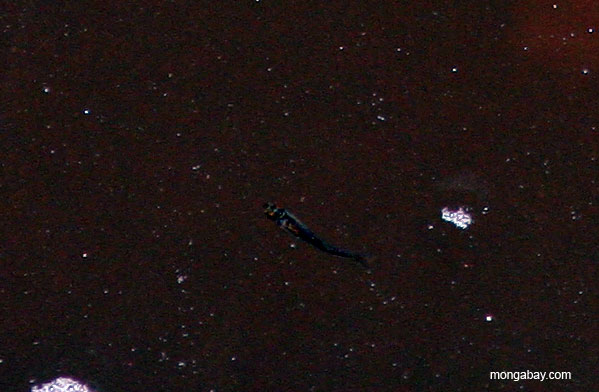
Glowlight like tetra (characin)
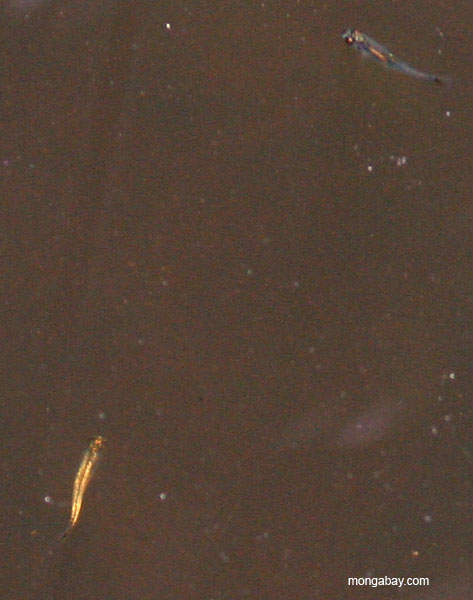
Glowlight like characins
Head and tail light tetra, possibly either Moenkhausia sp or Hemigrammus ocellifer
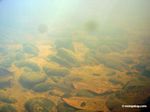
Blackwater stream biotope, rocky substrate with leaf litter
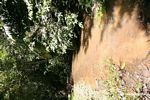
Blackwater creek
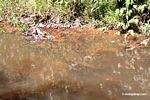
Blackwater creek
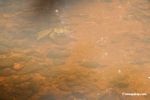
Substrate of a blackwater creek, a biotope in the Peruvian Amazon
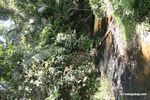
Blackwater creek
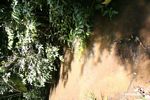
Blackwater creek
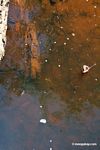
Blackwater creek, leaf little substrate, wood, and aquatic plant visible
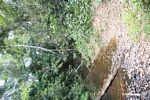
Blackwater creek
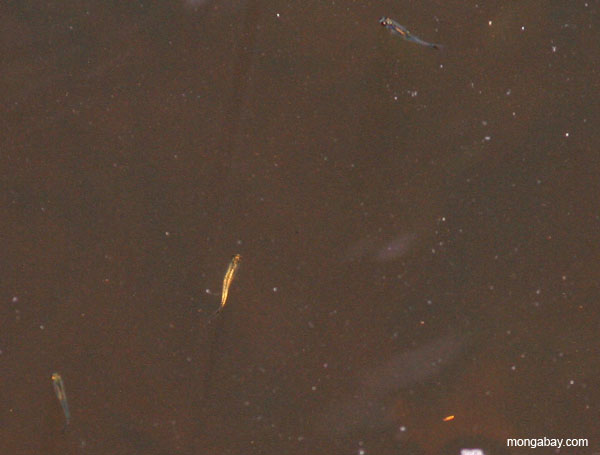
Tetras in stream
Tetras in stream
|
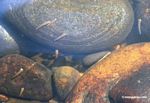
Rocky substrate of a blackwater creek, a biotope in the Peruvian Amazon
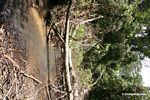
Blackwater creek
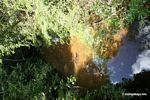
Blackwater creek
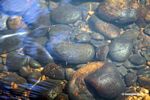
Rocky substrate of a blackwater creek, a biotope in the Peruvian Amazon
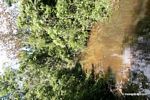
Blackwater creek
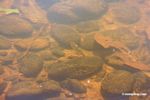
Unknown characin fish species in blackwater creek
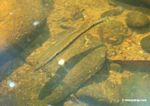
Pike cichlid fish species in blackwater creek, its natural habitat
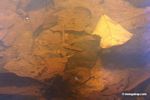
Festium cichlid fish species in blackwater creek, its natural habitat
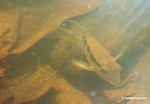
Festium cichlid fish species in blackwater creek, its natural habitat
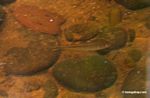
Unknown characin fish species in blackwater creek
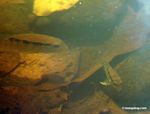
Festium cichlid fish species in blackwater creek, its natural habitat
Tetras in stream

Tetras in stream
|
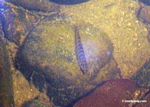
Darter characin in blackwater creek
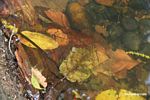
Freshwater snails in a blackwater creek
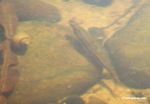
Pike cichlid fish species in blackwater creek, its natural habitat
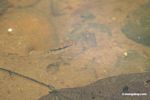
Festium cichlid fish species in blackwater creek, its natural habitat
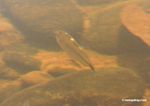
Unknown characin fish species in blackwater creek
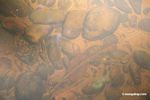
Darter characin in blackwater creek
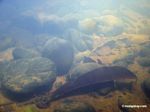
Blackwater stream biotope, rocky substrate
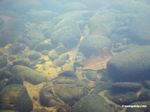
Blackwater stream biotope, rocky substrate with leaf litter
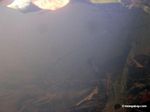
Blackwater stream biotope, underwater leaf litter
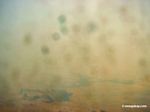
Blackwater stream muddy substrate
Tetras in stream

Tetras in stream
|
FOREST "SWAMP PONDS"
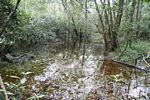
We encountered two forms of "swamp ponds" under the rainforest canopy. The first (A) is a shallow pond characterized by luxuriant grassy plant growth and clear acidic waters. I did not observe any fish in this formation and it is unclear as to whether these ponds are temporary flooded sections of forests or semi-permanent. The second form of swamp pond (B) is deeper, muddier, and larger. We observed a dwarf caiman (Palpebrosus trigonatus) in the pond which apparently feeds on fish, insects, and frogs suggesting that these formations are at least semi-permanent.
While water parameters were not tested, one could expect the pH and conductivity of these waters to be quite low.
Water current is very low, wood is present, and the substrate is either mud or clay. Lighting should be subdued.
Swamp pond pictures
Reference: Goulding M., Cañas C., Barthem R., Forsberg B. and Ortega H. Amazon Headwaters - Rivers,Wildlife,and Conservation in Southeastern Peru. Eco News & Grafica Biblos. Lima, Peru. 2003
`'*:-.,_,.-:*'``'*:-.,_,.-:*'``'*:-.,_,.-:*'``'*:-.,_,.-:*'``
|
|